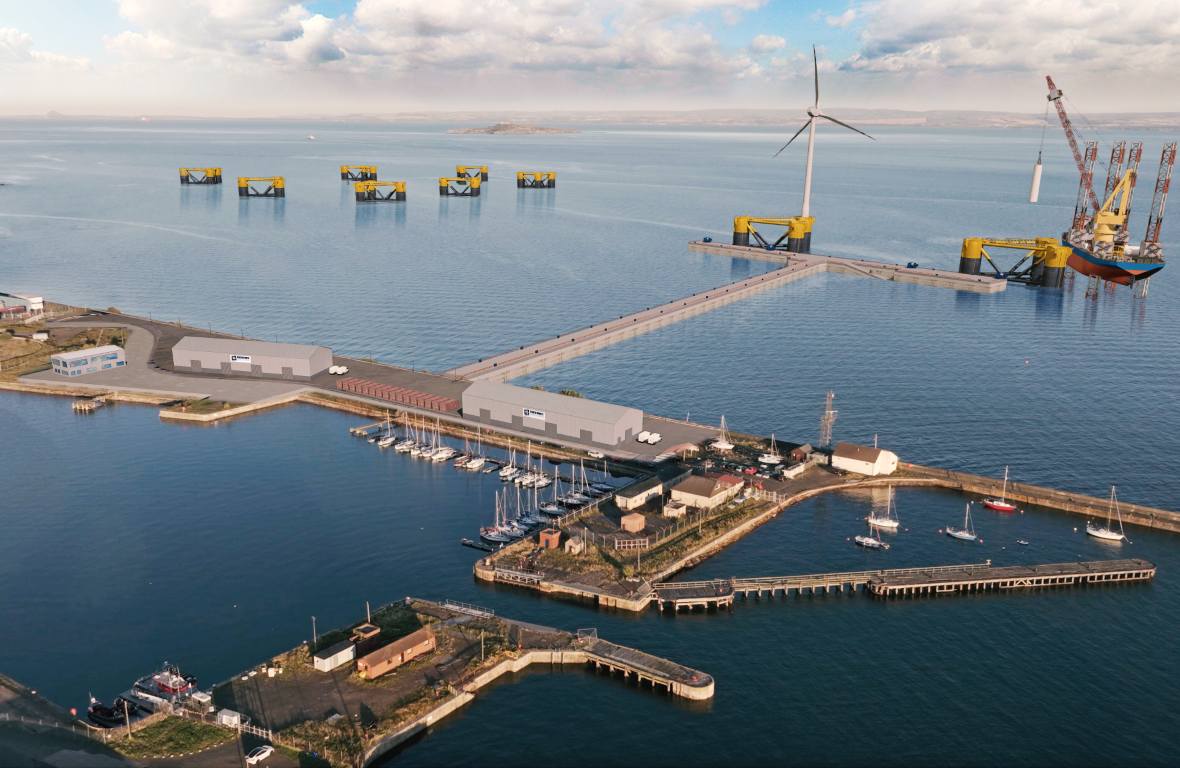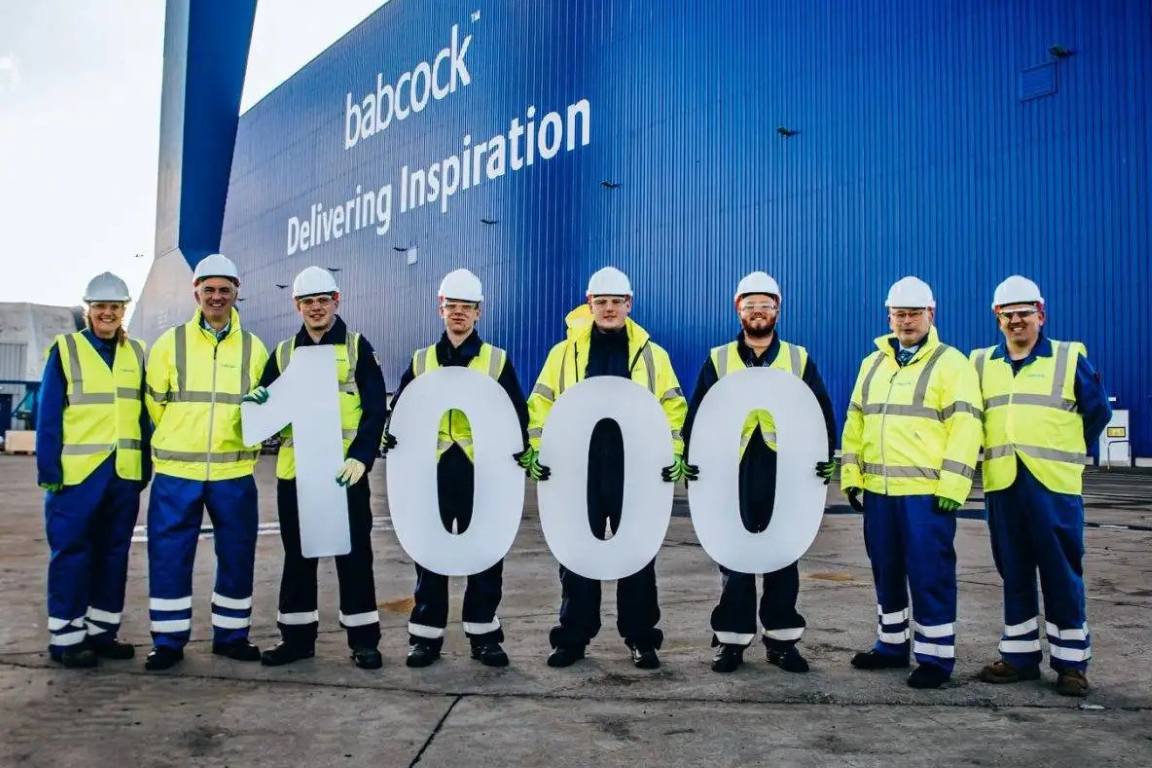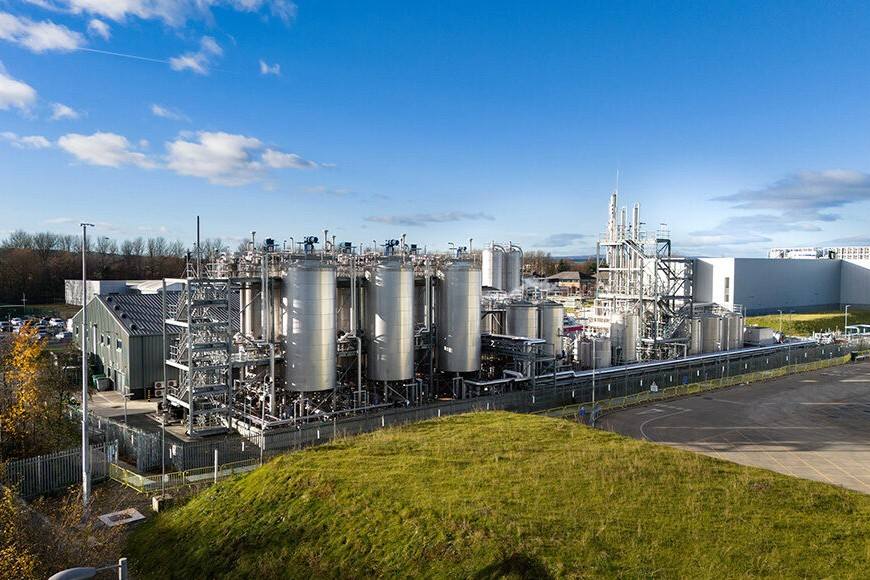

A Green Freeport is a designated area where businesses can operate under a set of targeted tax and customs incentives designed to stimulate investment, innovation and job creation. The green freeport policy aims to drive investment into deprived communities, increasing employment opportunities and economic activity in port-adjacent areas, while supporting decarbonisation and a just transition to a net zero economy by 2045. Green Freeports, also known as Industrial Strategy Zones, must meet strict requirements set by the UK and Scottish Governments, including commitments to Fair Work, Net Zero, and robust governance.
FGF aims to deliver sustainable, inclusive growth across central Scotland by:
- Attracting new inward investment
- Accelerating renewable technologies and advanced manufacturing
- Regenerating brownfield land
- Creating high‑quality, long‑term jobs
- Supporting Scotland’s transition to Net Zero
- Strengthening regional and national supply chains
The Forth Green Freeport (FGF) is projected to drive up to £7.9bn of private and public investment, delivering gross value added of estimated £8.1bn and creating up to 16,000 jobs (direct).
FGF is delivered through a strong public, private and academic partnership. Our partners include:
- Babcock
- CalaChem
- Edinburgh Airport
- Falkirk Council
- Fife Council
- Forth Ports
- INEOS
- Royal Navy
- Scarborough Muir Group
- Scottish Enterprise
- City of Edinburgh Council
Customs sites provide simplified customs processes, duty exemption and deferral options for businesses engaged in international trade. These benefits can reduce operating costs and support Scotland’s ambition to expand export activity.
Where customs sites are designated, they will offer secure environments, enhanced customs procedures and improved access for SMEs.
In addition, movements of goods between freeport customs sites anywhere in the UK would not trigger an import process.
Note existing businesses (including SMEs) within the FGF outer boundary may also consider establishing a customs site to support export opportunities.
The Forth Green Freeport spans a 45km wide major strategic area across the Firth of Forth, covering parts of Edinburgh, Fife and Falkirk.
Within this wider boundary, the Freeport includes three officially designated tax sites totalling 533 hectares, which came into effect on 12 June 2024:
- Grangemouth
- Mid‑Forth (Burntisland and Leith)
- Rosyth
Green Freeport status unlocks various tax incentives for businesses. For example:
- Land & Building Transaction Tax (LBTT) Relief.
- Enhanced Structures & Buildings Allowance (SBA): accelerated relief to reduce taxable profits by 10% of cost of investment every year for 10 yrs (compared to standard 3%p.a. over 33 1/3 yrs).
- Enhanced Capital Allowances (ECA): reduce taxable profits by full cost of qualifying investment in new plant/machinery in same tax period as cost was incurred.
- Employer NICS: 0% employer NICs on salaries of any new employee working in Green Freeport tax site. Applicable for <3 yrs per employee on earnings <£25,000p.a. threshold. NICs to be reinvested in training fund for our Green Freeport to prevent local displacement and incentivise training
- Non Domestic Rates Relief (NDRR): Businesses may be eligible for <100% relief from NDR on certain properties and property improvements within tax sites for <5 yrs from point of first relief.
The FGF delivers sustainable, inclusive growth across Central Scotland. It targets industry sectors that are complementary to existing businesses. It provides incentives to re-industrialise brownfield sites close to areas of deprivation. Tax levers will helps the FGF attract new business into the area by increasing the capacity of these businesses to invest.
FGF will support a just transition by creating high‑quality jobs, improving access to training, and regenerating brownfield sites close to areas of deprivation.
Local communities will benefit through:
- Enhanced training opportunities
- Long‑term job creation
- Fair Work standards
- Improved environmental outcomes
- Increased local investment and supply chain growth
Community engagement is led by our local authority partners, allowing for communities to ask questions and discuss topics important to them.
New investors will be asked to contribute to a Skills Fund as a condition of receiving the green freeport incentives. It is estimated that the Skills Fund will reinvest £2.1million over the lifetime of the Green Freeport to be spent across the FGF local authority areas. The focus of the Skills Fund will be on the workforce directly employed in the tax sites and those within the supply chain in the wider Green Freeport area. The fund will provide direct support to institutions to deliver skills training for local workers, tailored to the needs of the Green Freeport.
The Forth Green Freeport has been allocated £25 million of UK Government seed funding to support early‑stage site development. Landowners within the Freeport will match fund investments to prepare sites for investment. All seed capital has been comitted overseen by the Board of FGF Ltd and projects are underway.
With the approval of The Outline Business Case (OBC) by both Governments in June 2024. The tax sites were designated in statue and went live.
The Full Business Case (FBC) was approved by both the Scottish and UK Governments in November 2025. In January 2026 a Memorandum of Understanding was signed between the Forth Green Freeport, our three local authority partners and the Scottish and UK Governments. This unlocked the £25m of seed capital funding allowing projects to start to deliver. A delivery team has been appointed and the Forth Green Freeport is fully operational.
Tax incentives are open until 2034 for eligible investments. The reinvestment of retained non domestic rates into the green freeport area by local authorities will continue until 2049
The FGF is committed to regular and transparent communication with all stakeholders as the project continues to evolve.
Educating our audiences about the positive impact of Green Freeports and the potential economic benefits for local communities and Scotland as a whole is vital:
- All national legislation applies to activities in a Green Freeport area
- All planning controls apply to developments within a Forth Green Freeport
- All workers’ rights legislation/protections apply to employees
- A workers’ representative sits as an active member of the FGF Governance board
- Enhanced security co-operation, including with enforcement agencies, is in place to prevent any criminal activity
- Households will not be impacted by the FGF – which has been created specifically for businesses in industrial zones
Alongside this, all partners are committed to the Fair Work Charter and pay the Real Living Wage.
Payment of the Real Living Wage will be a central condition in our Green Freeport investment decision principles guiding new investment. This will be implemented and monitored by the board of the Green Freeport and the governments.