
Together they form an important logistics and energy hub within the Forth estuary, providing direct access to North Sea shipping routes and strong connections to Scotland’s central transport network.
The large amount of available port-side land in Leith creates a significant opportunity to build a domestic supply chain for all aspects of wind generation activity.
Tax site maps
Click the buttons below to view the Mid-Forth boundary maps
Key Facts
- Site Type: Port and Industrial area
- Landowner: Forth Ports Ltd
- Planning Authority: Fife Council (Burntisland) & City of Edinburgh Council (Leith)
- Tax sites totalling: 150Ha / 371 Acres of which 103 Ha in Leith
- Leith: 2 dock basins with ca. 443 metres of quay length, able to handle ships up to 50,000 Deadweight Tonnage (DWT)
Location/Connectivity
The Mid Forth sites at Leith and Burntisland sit on opposite shores of the Firth of Forth, linking Scotland’s capital city with Fife’s established marine and industrial base.
- Road: Direct access to the A199, A900, A921 and A92 corridors linking to the Edinburgh City Bypass (A720), M90 and the wider Scottish motorway network
- Rail: Leith benefits from proximity to Edinburgh Waverley on the East Coast Main Line, while Burntisland station on the Fife Circle Line provides direct connections to Edinburgh and Fife towns
- Rail Freight: Freight connectivity available via the Central Belt rail freight network and nearby terminals serving Edinburgh and Fife
- Port/marine: Established commercial port facilities at Leith and Burntisland operated by Forth Ports, supporting offshore wind, marine services, project cargo and bulk freight
- Air: Edinburgh Airport approximately 25–45 minutes by road depending on site
The Mid Forth location provides access to a large and highly skilled workforce across Edinburgh, the Lothians, Fife and the wider Central Belt, alongside strong links to Scotland’s energy, engineering and maritime supply chains.
Burntisland
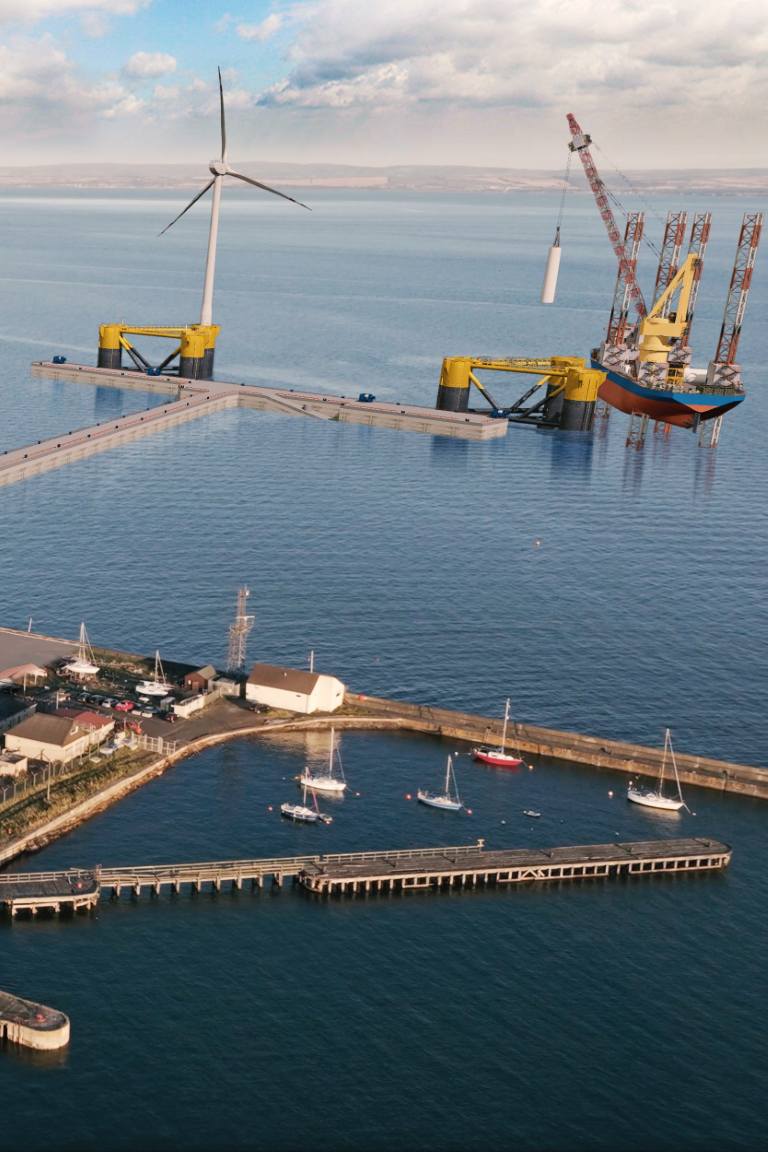
Located on the north shore of the Firth of Forth in Fife, directly opposite Edinburgh, the port benefits from a strategic position within the central belt of Scotland and close proximity to major offshore wind developments. Burntisland Port will serve as a marshalling and consolidation yard, supporting logistics, fabrication and project cargo operations for the North Sea energy sector.
The site comprises approximately 85 acres of port estate, providing extensive open storage areas and industrial facilities to support a range of cargo handling and energy-related activities.
The port includes and handles approximately 100,000 tonnes of cargo annually. Key trades include timber, grain, aggregates, general cargo and offshore energy components, reflecting its role as a flexible working port serving regional industry.
Port of Leith
The Port of Leith is Scotland’s largest enclosed deep-water port provides easy access to major offshore wind projects in the North Sea and is home to a 150-hectare site developed specifically for offshore wind manufacturing and renewable energy operations.
The port is capable of handling vessels of up to 50,000 deadweight tonnes (DWT) and offers more than 4,700 metres of quayage across multiple docks and harbour facilities. It handles over 1 million tonnes of cargo annually, supporting a wide range of industrial, project and bulk cargo operations.
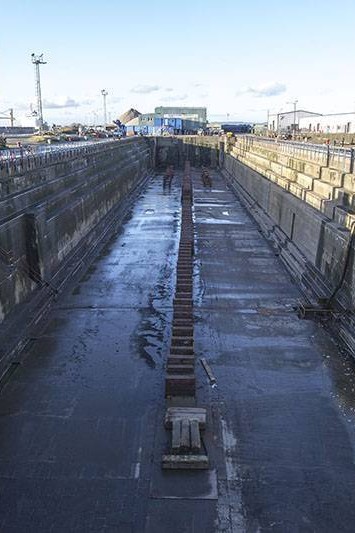
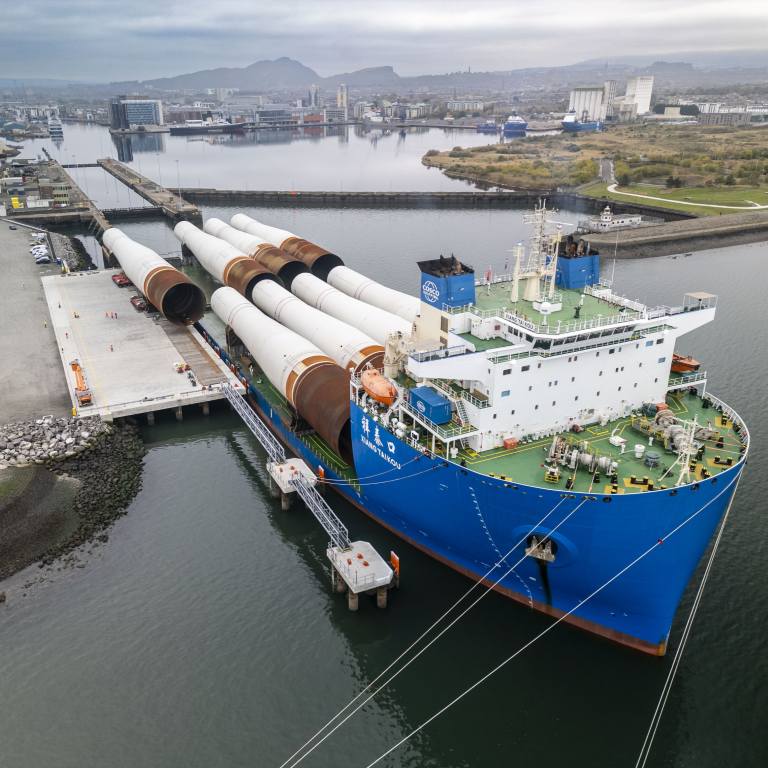
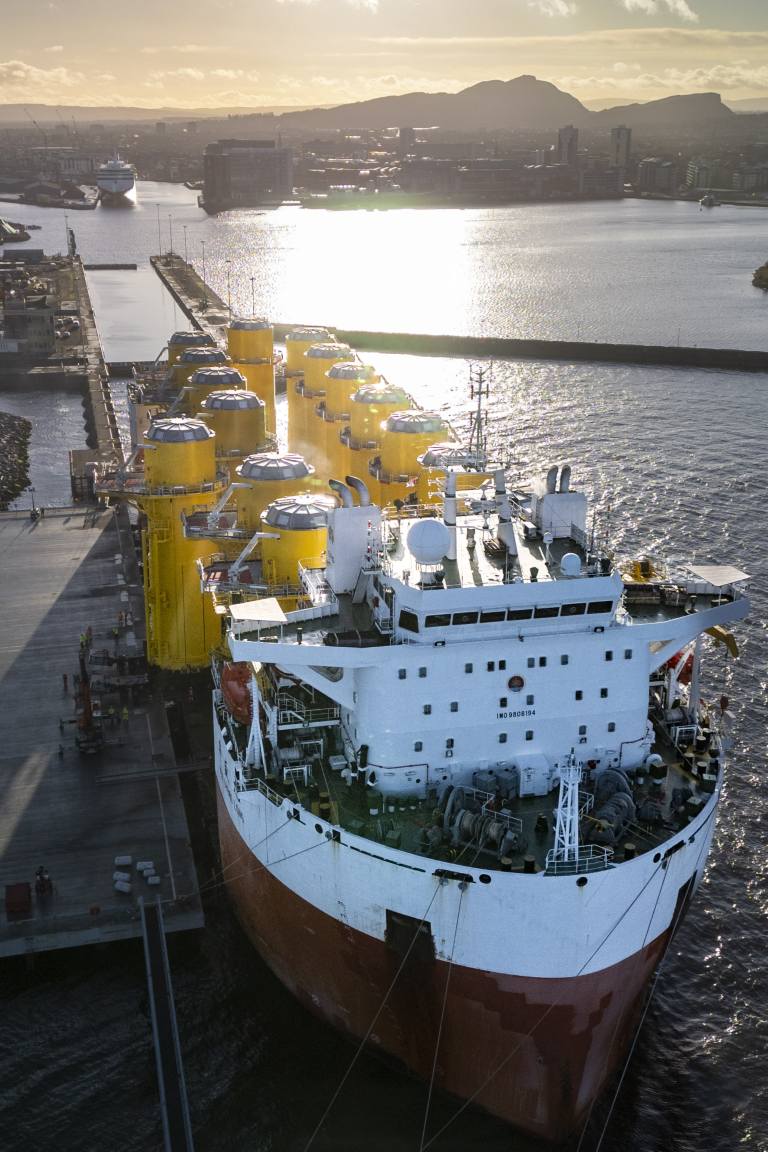
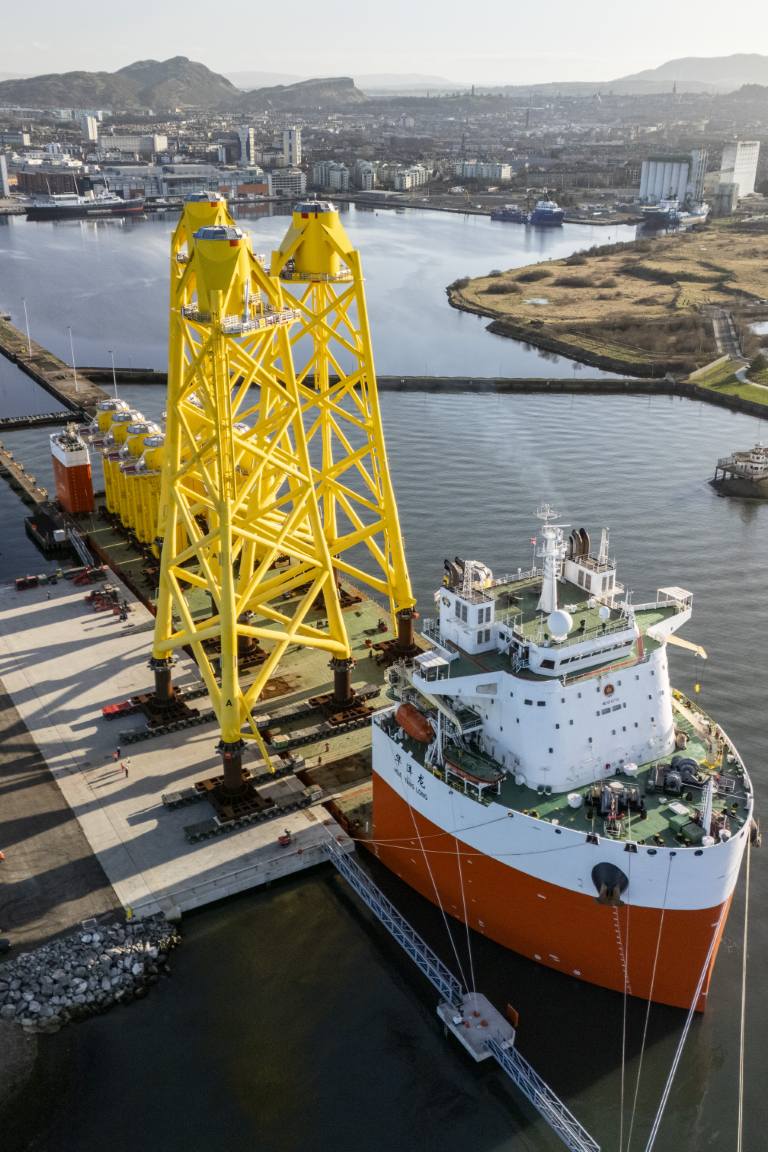
Facilities at Leith include two dry docks and extensive mobilisation areas for offshore energy projects, supported by new heavy-lift infrastructure designed to accommodate large installation vessels and next-generation offshore wind components.
It has created a new outer berth – the Charles Hammond Berth – to handle the largest offshore wind supply vessels and which is already servicing the offshore wind supply chain through a range of marshalling activities for the Inch Cape project.
Dry Dock 31/Forth Ports:
The Dry Dock 31 will be a positive addition to the Leith waterfront regeneration project. The Dry Dock development will overhaul land used for industrial port activities, and will transform the site into a dynamic, mixed-use development that will cater to a diverse range of businesses and sectors. The Dry Dock will also introduce new public spaces, opening previously inaccessible areas of the port to the wider community.
The Dry Dock will feature repurposed shipping containers which will provide flexible, inspiring workspaces. An incubator space for supply chain companies to innovate and grow.
Key existing historical structures on the site, such as the former dry dock pump house, sheds and rail tracks will be preserved and incorporated into the design, helping to maintain the site’s historical character and enhancing its sense of place.